
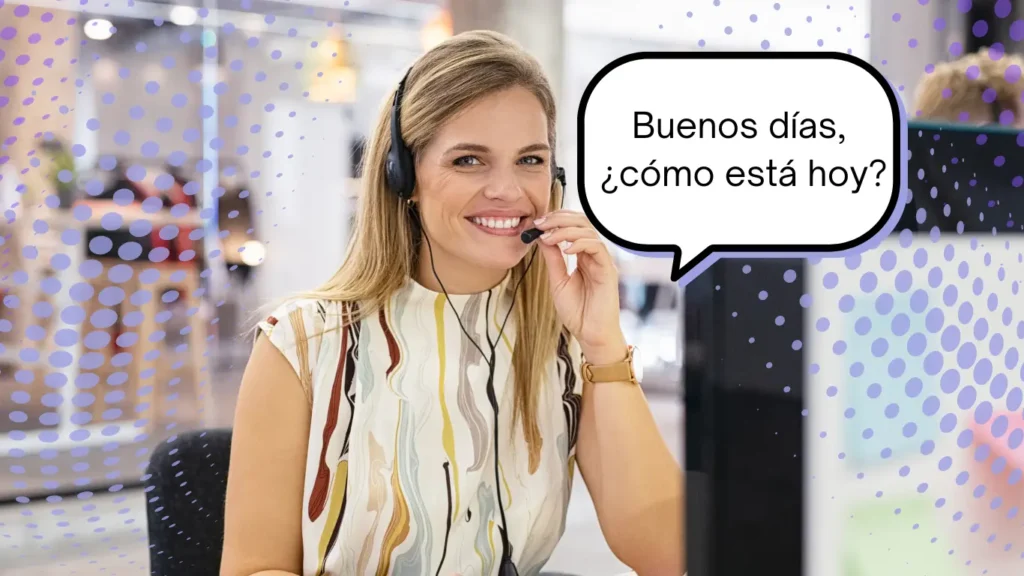
For industry leaders and small businesses alike, every missed call represents a lost opportunity. However, for businesses that serve diverse communities, they can also represent a silent breakdown in communication, especially without bilingual support. Across the United States, more than 67 million people speak a language other than English at home, and roughly one in five residents is considered limited English proficient, according to U.S. Census data. These callers often attempt to contact businesses only to find that no one is available who can understand them clearly.
When that happens, communication stops before it ever begins, and your business becomes unreachable to a portion of your market. Many small and mid-sized companies unintentionally alienate potential customers by assuming English-only communication is sufficient. In fields such as healthcare, real estate, and legal services, this assumption can lead to lost trust, missed opportunities, and even compliance risks.
A virtual receptionist that provides bilingual support bridges this divide by offering immediate access to understanding. What seems like a simple convenience actually shapes reputation, record integrity, and your ability to connect across cultures while meeting regulatory expectations. Understanding how language impacts the customer journey is crucial for any business that prioritizes responsiveness and inclusivity.
For industry leaders and small businesses alike, every missed call represents a lost opportunity. However, for businesses that serve diverse communities, they can also represent a silent breakdown in communication, especially without bilingual support. A virtual receptionist that provides bilingual support bridges this divide by offering immediate access to understanding.
Bilingualism as a Brand Differentiator
In competitive industries, communicating in Spanish has become an integral part of a brand’s identity. Companies that make bilingual support visible in their messaging often see higher engagement and referral rates.
Research from CSA (Common Sense Advisory) found that 76% of consumers prefer to buy products and services presented in their native language, and 40% will never purchase from companies that do not offer it.
When customers hear a friendly greeting in the language they are most comfortable with, it creates an immediate sense of trust and belonging. For service-based businesses that rely on personal connection, that trust directly supports revenue and retention.
A trained bilingual virtual receptionist service extends that brand experience around the clock. Whether a real estate lead calls after hours or a patient schedules an appointment, the ability to speak naturally reinforces the perception that the business understands and values its community.
This approach also separates businesses from competitors who rely on voicemail or automated menus that assume English fluency. Instead of losing potential clients to frustration, bilingual answering ensures that each call reflects accessibility, warmth, and respect.
The Expectations for Non-English Speakers
Most English-speaking customers will call back if they encounter a delay or minor miscommunication. The threshold for non-English speakers is much lower. Studies on consumer persistence show that when a language barrier exists, the first impression carries far more weight. If the first call ends in confusion, there is rarely a second one.
This “one call” expectation highlights a critical vulnerability for businesses that serve linguistically diverse areas. Many callers spend time building confidence before making the call. If they encounter someone who cannot understand them, the emotional cost outweighs the effort of trying again. By the time someone hesitates, the connection you hoped to build is already fading.
A 24/7 bilingual virtual receptionist resolves this issue immediately by ensuring that every caller, regardless of language, is understood the first time, no matter when they reach out.
In industries such as medical or legal services, where urgency and confidentiality are essential, the ability to communicate clearly in the first interaction often determines whether the client proceeds or walks away. Businesses that recognize this dynamic retain leads that others lose without realizing it.
Language Gaps in CRM and Intake Notes
Even when a Spanish-speaking virtual receptionist takes a call, communication gaps often appear later in the process. A detail lost in translation or recorded incorrectly can cause confusion during follow-up.
For instance, a patient’s medication name, an address, or a legal term may be entered inaccurately if the CRM does not support bilingual text fields or if the virtual receptionist is not trained in multilingual documentation.
These errors ripple through the workflow. A scheduling mistake might lead to a no-show, a misrecorded phone number could prevent a callback, or a translation error could cause compliance issues. According to Salesforce research, 66% of customers expect to have their needs met on the first call. If they’re not, they can potentially switch providers due to poor communication or data handling.
A professional virtual receptionist service that supports Spanish language CRM integration helps close this gap. A trained bilingual virtual receptionist can accurately enter call details, preserving linguistic nuances while maintaining data integrity.
Some systems also enable automatic translation or language tagging, ensuring that follow-up teams know what language to use in future interactions. This attention to detail prevents errors and fosters continuity, demonstrating to callers that their needs are understood from the initial conversation through every subsequent touchpoint.
Understanding Culture, Not Just Language
Language is more than words. A direct translation can miss tone, formality, and cultural context, all of which shape how a caller perceives a brand. In some cultures, using a person’s first name early in a conversation may be perceived as overly familiar, while in others, it can create a sense of warmth. Politeness cues, pacing, and even silence have different meanings depending on cultural background.
A bilingual virtual receptionist that invests in cultural fluency, not just linguistic accuracy, can build more meaningful relationships. Virtual receptionists trained in cultural sensitivity can adjust greetings, empathy statements, and conversational flow to match the caller’s expectations.
This attention to nuance can be the difference between a call that feels transactional and one that feels trustworthy.
This distinction matters for service industries. A client who feels respected and understood is more likely to return, refer others, and complete their transactions. Cultural competence also prevents misunderstandings that could lead to negative reviews or lost business.
True bilingual service shouldn’t focus solely on converting words. It needs to convey understanding, warmth, and reliability across languages.
Meeting Compliance and Accessibility with Confidence
Language barriers can lead to the neglect of accessibility, which is a necessary business practice and a legal requirement in many industries.
Under the Limited English Proficiency Plan of the Title VI Civil Rights Act, organizations that receive federal funding are required to provide meaningful access to individuals with limited English proficiency. The Americans with Disabilities Act and related healthcare regulations also reinforce the obligation to ensure effective communication.
For medical, insurance, and legal providers, this means offering qualified interpreters or bilingual staff when needed. Failing to do so can expose a business to complaints or legal action.
Yet compliance should not be seen as a burden. By partnering with A virtual receptionist that provides English and Spanish support, organizations can meet these standards while improving the customer experience.
Documented call records, accurate bilingual notes, and 24-hour access to language assistance create an audit trail that supports operational and legal compliance. It also signals professionalism and inclusivity to clients. When accessibility is built into communication from the first ring, it reflects a company prepared to serve everyone with equal care.
Turning Barriers into Connections
Language is one of the most powerful tools a business has to connect with customers, but it can also be one of the most overlooked barriers to effective communication. Every unanswered or misunderstood call from a non-English speaker represents a gap in service, understanding, and trust.
A bilingual service turns those barriers into opportunities. With virtual receptionists who are trained not only in Spanish communication but also in empathy, tone, and cultural nuance, each call becomes an opportunity to strengthen the connection. Accurate documentation and accessible systems ensure that callers receive the same level of professionalism, regardless of the language they speak.
Businesses that recognize the value of bilingual service will be the ones that thrive in diverse markets. Language access is not a special feature. It is a commitment to inclusivity, consistency, and respect. You shouldn’t be asking whether you should offer Spanish language support. The real question is how many meaningful calls you are losing without it?